
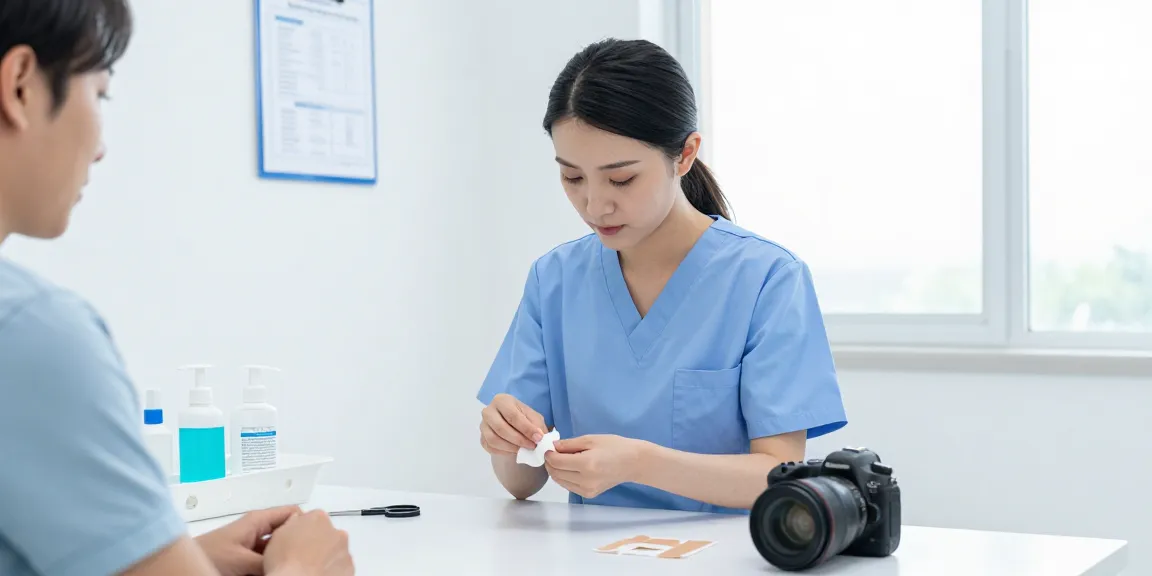
Understanding the Importance of Sterile Gauze in Wound Care
In the realm of healthcare, particularly in wound management, the significance of maintaining a sterile environment cannot be overstated. Sterile gauze serves as a fundamental component in the treatment and care of wounds, acting as a protective barrier against infections and facilitating the healing process. As we delve deeper into the uses and benefits of sterile gauze, it’s essential to recognize not only its vital role in immediate care but also how it can significantly impact overall patient outcomes. For comprehensive insights on sterile gauze and its applications, understanding its characteristics and effective utilization in various settings will be crucial.
What is Sterile Gauze and Its Uses?
Sterile gauze is a medical fabric made from woven cotton or synthetic materials designed for wound dressing. It is treated to remove all microorganisms, making it safe for direct application to open wounds. The primary uses of sterile gauze include:
- Absorbing exudate from wounds
- Providing a protective barrier against external contaminants
- Facilitating the healing process by maintaining a moist environment
Due to its versatility, sterile gauze can be employed in various medical scenarios, from surgical procedures to everyday wound care in outpatient settings. Its thin, breathable nature allows for oxygen flow, which is essential for healing.
Common Misconceptions About Sterile Gauze
Despite its widespread use, several misconceptions about sterile gauze persist in both professional and home care environments. One common myth is that any gauze can be considered sterile if it appears clean. This notion can lead to improper wound care practices.
Another misconception is that sterile gauze needs to be changed frequently, leading to unnecessary disruptions in the healing process. In reality, the frequency of changes should be based on clinical judgment and the specific needs of the wound, rather than a set schedule.
Benefits of Using Sterile Gauze for Patient Care
The use of sterile gauze in patient care is linked to numerous benefits, which can significantly enhance the efficacy of wound management protocols:
- Infection Prevention: By providing a sterile environment, gauze minimizes the risk of infection, which can lead to complications and prolonged healing times.
- Moisture Regulation: Sterile gauze aids in maintaining the moisture balance of a wound, which is critical for tissue regeneration.
- Cost-Effectiveness: Compared to advanced dressings, sterile gauze is often more affordable, making it an accessible option for healthcare facilities and patients alike.
Best Practices for Choosing and Using Sterile Gauze
Selecting the right type of sterile gauze and employing effective application techniques are paramount for optimal wound care. Healthcare professionals and caregivers must be well-informed to ensure positive patient outcomes.
Types of Sterile Gauze: Which One to Choose?
Sterile gauze is available in various forms and compositions, including:
- Woven Gauze: Often made from cotton, this type is flexible and can be used in a range of applications, including surgical procedures and general wound care.
- Non-Woven Gauze: Typically made from synthetic materials, non-woven gauze is designed for increased absorbency and is more suitable for wounds with heavy exudate.
- Impregnated Gauze: This variant is treated with ointments or antimicrobial agents, enhancing its healing properties and providing additional moisture.
When choosing gauze, consider the wound type, level of exudate, and patient-specific factors to select the most appropriate dressings.
Proper Application Techniques for Optimal Results
Correct application of sterile gauze is essential for effective wound management:
- Before handling gauze, ensure hands are thoroughly washed and, if possible, wear gloves to maintain sterility.
- Once the wound is cleaned and dried, place the sterile gauze gently over the area, ensuring complete coverage.
- Secure the gauze using tape or a secondary dressing to avoid displacement.
- Change the dressing as per the healthcare provider’s guidelines or when exudate is noticeable.
Maintaining Hygiene Standards in Wound Management
Hygiene standards are crucial when dealing with wound care. Always follow the principles of aseptic technique to reduce infection risks. This includes preparing a clean workspace, using sterile instruments and materials, and disposing of waste properly.
Healthcare facilities should establish protocols that ensure consistency in hygiene practices across all departments involved in wound care.
Innovative Trends in Sterile Gauze for 2026
The landscape of wound care continues to evolve, with emerging materials and technologies shaping the future of sterile gauze and its applications.
Emerging Materials and Technologies in Wound Care
Recent innovations in materials science have led to the development of advanced gauze products that offer enhanced features:
- Smart Gauze: Incorporating sensors that monitor moisture levels and bacterial presence, smart gauze can provide real-time feedback for better wound management.
- Bioresorbable Gauze: This type dissolves naturally into the body, eliminating the need for removal and reducing patient discomfort.
Sustainable Practices for Sterile Gauze Production
With growing concerns over environmental impacts, the wound care industry is shifting towards sustainable practices. Manufacturers are exploring eco-friendly materials and production methods that reduce waste while ensuring that sterile gauze meets performance standards.
Future-Proofing Healthcare with New Sterile Solutions
As healthcare continues to advance, integrating technology with sterile gauze will likely become more prevalent. Innovations such as telemedicine solutions for remote wound assessment and management can empower patients and healthcare providers alike, ensuring optimal care delivery.
Case Studies: Effective Use of Sterile Gauze in Different Settings
Examining real-life applications of sterile gauze can shed light on its effectiveness across various healthcare settings.
Hospital Emergency Rooms: Quick and Efficient Care
In emergency rooms, sterile gauze plays a pivotal role in quickly addressing trauma cases. For example, a study found that the application of sterile gauze immediately after injury significantly reduced infection rates and promoted faster healing in patients with lacerations.
Home Care: Empowering Patients with Proper Techniques
Home care settings provide unique challenges and opportunities for using sterile gauze. Training caregivers on proper techniques has led to improved patient outcomes, reducing the need for follow-up visits due to complications from misapplied dressings.
Sports Medicine: Addressing Injuries with Precision
In the realm of sports medicine, sterile gauze is instrumental in treating acute injuries. Case studies demonstrate that athletes receiving immediate care with sterile gauze experience quicker recovery times, allowing them to return to their activities sooner.
Measuring the Impact of Sterile Gauze on Patient Outcomes
Evaluating the effectiveness of sterile gauze involves using specific metrics and feedback mechanisms to gauge patient outcomes and satisfaction.
Key Performance Indicators for Wound Care
Establishing key performance indicators (KPIs) is essential for assessing the impact of sterile gauze in wound care. Common KPIs include:
- Infection rates post-treatment
- Time to healing milestones
- Patient readmission rates due to wound complications
Patient Feedback and Satisfaction Metrics
Collecting patient feedback on their experiences with sterile gauze and overall wound care can provide valuable insights. Surveys and interviews can highlight areas of success and opportunities for improvement in the care process.
Looking Ahead: Forecasting Trends in Wound Care Effectiveness
By analyzing current data and trends, healthcare providers can project future outcomes related to sterile gauze use. Continuous monitoring of advancements in materials and practices will enable healthcare professionals to adapt and enhance their wound care strategies effectively.
What are the advantages of using sterile gauze?
The advantages of using sterile gauze are numerous. It ensures a sterile environment, reduces the risk of infections, and facilitates faster healing by maintaining a moist wound environment.
How do I properly apply sterile gauze?
Proper application involves cleaning the wound, placing the sterile gauze gently over the area, and securing it in place while maintaining sterility throughout the process.
What are the different types of sterile gauze available?
Different types of sterile gauze include woven gauze, non-woven gauze, and impregnated gauze, each catering to specific wound care needs.
How does sterile gauze compare to other wound dressings?
Compared to advanced dressings, sterile gauze is often more cost-effective but may not provide the same level of moisture retention or antimicrobial properties.
What innovations are shaping the future of sterile gauze?
Innovations such as smart gauze and bioresorbable materials are poised to revolutionize wound care by improving management and patient outcomes.


