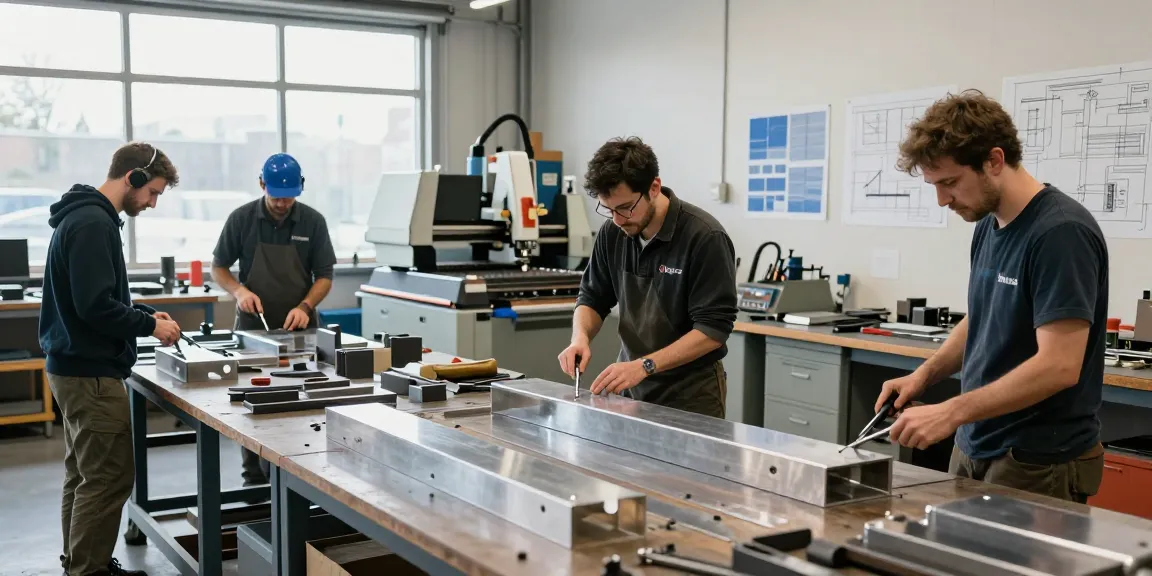
Understanding Engineering Services Canada
In the rapidly evolving landscape of engineering, the scope of engineering services has expanded to encompass a broad range of disciplines and applications. This article delves into the importance of engineering services in Canada, elucidating their vital role in various sectors such as construction, manufacturing, and technology. As businesses and public institutions continue to prioritize quality and efficiency, understanding how Engineering Services Canada operate becomes increasingly crucial for stakeholders seeking to navigate regulatory landscapes and achieve project success.
What are Engineering Services?
Engineering services are professional services that utilize the principles of engineering to design, analyze, and implement projects spanning multiple sectors. They encompass a variety of tasks, including:
- Structural engineering: Ensuring that structures can withstand various loads and environmental factors.
- Mechanical engineering: Designing mechanical systems and components for efficiency and reliability.
- Civil engineering: Managing infrastructure projects such as roads, bridges, and water supply systems.
- Electrical engineering: Developing electrical systems and circuits that power our daily lives.
- Software engineering: Creating software solutions that enhance operational efficiency.
The Importance of Engineering Services in Modern Projects
Today's projects are increasingly complex, requiring coordinated efforts from various engineering disciplines. Engineering services ensure that all aspects of a project are considered, leading to optimized designs and effective solutions. The importance of engineering services is underscored by their ability to:
- Enhance safety by adhering to regulatory requirements and industry standards.
- Improve efficiency through innovative design and best practices.
- Deliver cost-effective solutions that maximize return on investment.
- Facilitate project management and execution from conception to completion.
Key Regulations and Standards in Canada
Engineering practices in Canada are governed by various regulations and standards, ensuring safety and reliability within the industry. Key regulations include:
- CSA (Canadian Standards Association): Provides standards for various engineering practices, including structural and electrical systems.
- NBCC (National Building Code of Canada): Outlines requirements for building safety, performance, and accessibility.
- ASME (American Society of Mechanical Engineers): Sets standards for mechanical engineering practices, including pressure vessel design.
Common Challenges in Engineering Services
Despite the advancements in engineering practices, challenges persist in the industry. Understanding these common pitfalls is essential for professionals to navigate effectively.
Misconceptions about Engineering Services Canada
One of the prevalent misconceptions about engineering services is the belief that they are uniform across all sectors. In reality, the engineering requirements can vary significantly based on the specific industry and project. For instance, engineering requirements for a nuclear facility differ markedly from those of a residential building, demanding specialized knowledge and compliance with sector-specific regulations.
Challenges in Regulatory Compliance
Regulatory compliance poses significant challenges for many engineering projects. Engineers must stay updated with changing regulations and ensure that designs adhere to local, provincial, and federal codes. Failing to comply can lead to project delays, increased costs, and even legal ramifications. Effective communication and collaboration with regulatory bodies are vital to mitigate these risks.
Pitfalls in Project Management
Project management in engineering is intricate, requiring careful planning and execution. Common pitfalls include:
- Inadequate risk assessment leading to unforeseen challenges.
- Poor resource allocation resulting in budget overruns.
- Insufficient stakeholder engagement affecting project outcomes.
Best Practices for Effective Engineering Services
To ensure successful engineering projects, implementing best practices is essential. These practices enhance quality, safety, and efficiency.
Ensuring Code Compliance and Safety
Adhering to industry codes and safety standards is paramount. Engineers should conduct regular audits and reviews to ensure compliance throughout all project phases. This proactive approach minimizes risks and enhances overall safety.
Utilizing Advanced Engineering Software
Leveraging advanced engineering software tools can significantly improve project outcomes. Tools such as AutoCAD, CAESAR II, and ANSYS are essential for:
- Enhancing design precision and reducing errors.
- Performing complex simulations to predict system behavior.
- Facilitating collaboration through real-time data sharing.
Integrating Sustainable Practices in Design
Incorporating sustainability into engineering designs has become increasingly important. This involves using eco-friendly materials, reducing energy consumption, and minimizing waste. By adopting sustainable practices, engineers not only contribute to environmental preservation but also enhance the long-term viability of projects.
Case Studies: Successful Engineering Projects in Canada
Real-world examples showcase the effectiveness of engineering services in addressing complex challenges across various sectors.
Innovative Solutions in the Energy Sector
A notable example is the development of renewable energy projects, such as wind and solar farms. Engineers face challenges including site assessment, structural integrity, and environmental impact. Through comprehensive planning and collaboration with stakeholders, innovative solutions have been implemented to optimize energy production while adhering to regulatory standards.
Structural Engineering Success Stories
In urban development, engineers have successfully designed high-rise buildings that maximize space and minimize environmental impact. The use of advanced modeling techniques ensures that structural designs are resilient against natural disasters while maintaining architectural integrity.
Impact of Discrete Element Modeling
Discrete Element Modeling (DEM) has revolutionized the way engineers approach problems related to granular materials. For example, in the mining industry, DEM simulations help predict the behavior of materials in chutes and hoppers, leading to more efficient designs and reduced maintenance costs.
Future Trends in Engineering Services Canada
The engineering landscape is constantly evolving, influenced by technological advancements and changing market demands. Staying ahead of these trends is crucial for professionals in the field.
Emerging Technologies in Engineering
Technologies such as artificial intelligence (AI), machine learning, and Internet of Things (IoT) are reshaping engineering practices. These technologies enhance data analysis, improve decision-making, and streamline project management.
Predictions for the Engineering Market in 2026
As we look toward 2026, the engineering market is expected to see an increased focus on sustainability and resilience. More projects will prioritize green certifications and incorporate advanced technologies to enhance efficiency and reduce environmental impact.
Adapting to Environmental Challenges
Climate change presents significant challenges for engineers, necessitating innovative designs that can withstand extreme weather events. Emphasizing the importance of resilience in engineering solutions will be critical for future projects.
What are the Key Benefits of Professional Engineering Services?
Engaging professional engineering services offers numerous benefits, including:
- Access to expert knowledge across various disciplines.
- Enhanced project efficiency through effective resource management.
- Compliance with regulatory standards, ensuring safety and reliability.
How to Choose the Right Engineering Consultant?
Selecting the right engineering consultant is crucial for project success. Factors to consider include:
- Experience in the relevant industry and project type.
- Track record of successful project delivery.
- Technical expertise and use of advanced engineering tools.
What are the Qualifications of Leading Engineers?
Leading engineers typically possess relevant educational qualifications, such as a degree in engineering, along with professional certifications. Continuous professional development is vital to stay updated with industry trends and advancements.
How to Ensure Project Success in Engineering?
Successful engineering projects hinge on thorough planning, effective communication, and stakeholder engagement. Regular reviews and adaptability to changing circumstances can significantly enhance project outcomes.
What Role Does Technology Play in Modern Engineering?
Technology plays a transformative role in engineering, facilitating complex calculations, enhancing design accuracy, and enabling real-time data analysis. Embracing technological advancements is essential for improving efficiency and competitiveness in the industry.
How to Stay Updated in the Engineering Industry?
To stay informed about the latest trends and developments, engineers should engage with professional organizations, attend industry conferences, and participate in continuous education programs.
What are the Best Resources for Consulting Engineers?
Resources such as technical journals, industry publications, and online forums can provide valuable insights and best practices for consulting engineers seeking to enhance their knowledge and skills.