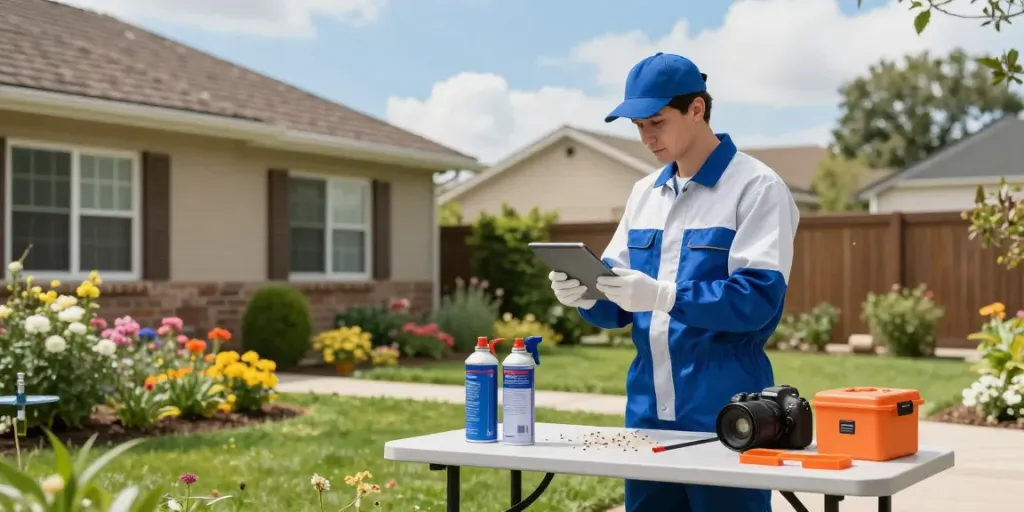
Understanding the Importance of Pest Control
Pest control is an essential aspect of maintaining a healthy and safe living environment. When pests invade, they can cause significant damage to property and pose health risks to residents. Effective pest management not only safeguards your home but also promotes well-being by reducing the chance of diseases spread by common pests. When exploring options, Pest control services offer comprehensive insights into various methods of pest management tailored to your needs.
Why Every Home Needs Pest Control
Every homeowner should recognize the importance of pest control. Neglecting to address pest problems can lead to serious consequences, including structural damage to your home and potential health risks. For instance, rodents can chew through insulation and wiring, leading to costly repairs, while insects like termites can compromise the very foundation of your house.
The Role of Pest Control in Public Health
Beyond personal property damage, pests can significantly impact public health. Many common pests, such as cockroaches and mosquitoes, are known vectors for serious diseases. Mosquitoes, for instance, are responsible for transmitting infections like West Nile Virus and Zika virus, while cockroaches can trigger asthma and allergies in sensitive individuals. Therefore, effective pest control is crucial for maintaining healthy living conditions in both homes and communities.
Common Pests and Their Dangers
- Rodents: Mice and rats are notorious for carrying diseases such as hantavirus and leptospirosis.
- Insects: Bed bugs, ants, and termites can cause both physical discomfort and extensive property damage.
- Wildlife: Squirrels and raccoons can invade attics, creating noise and potential disease risks.
Identifying Pest Problems in Your Home
Early detection of pests can save homeowners from extensive issues later on. Knowing how to identify the signs of an infestation can make a significant difference in managing pest control effectively. Whether it’s droppings, gnaw marks, or unusual sounds at night, being vigilant can help you address pest problems promptly.
Signs of an Infestation
Understanding the signs of an infestation is critical for timely intervention. Look for:
- Visible droppings in common areas.
- Gnaw marks on wood or food packaging.
- Unusual, musty odors that may indicate mold or rot.
Common Pests in Residential Areas
In residential areas, certain pests are more prevalent. These include:
- Ants: Often found foraging for food, they can invade kitchens and pantries.
- Termites: These wood-consuming pests can silently cause devastating damage.
- Beds Bugs: Known for their bites, they can quickly spread through bedding and furniture.
When to Call a Professional
If you suspect a pest infestation, it’s essential to determine whether to handle the situation yourself or call in professionals. Generally, if you notice the following, it’s wise to seek expert help:
- Widespread damage reported or persistent pest sightings.
- Inability to eliminate the infestation through DIY methods.
- Potential health risks due to pests.
Choosing the Right Pest Control Service
Selecting the right pest control service can seem daunting, but with the right approach, you can find a provider who meets your needs effectively. Evaluate companies based on their experience, methods, and customer reviews to ensure you make an informed choice.
Factors to Consider When Hiring a Pest Control Company
When searching for a pest control service, consider the following factors:
- Experience: Look for companies with proven methods and successful track records.
- Certifications: Ensure that the company employs certified technicians who are knowledgeable in pest management.
- Customer Reviews: Research feedback from previous clients to gauge satisfaction levels.
Understanding Pest Control Methods
Pest control strategies can vary widely depending on the type of pest and the severity of the infestation. Common methods include:
- Chemical Treatments: Often used for rapid eradication of pests.
- Biological Control: Involves using natural enemies to control pest populations.
- Integrated Pest Management (IPM): A holistic approach that combines multiple strategies for long-term pest control.
Comparing Costs and Services
The cost of pest control services can vary significantly. Factors such as the type of pest, the size of the infestation, and the methods used can all influence pricing. It’s important to obtain multiple quotes and understand what each service includes before making a decision.
Pest Control Tips for Homeowners
Prevention is always the best course when it comes to pest control. By taking proactive measures, homeowners can significantly reduce their risk of infestations.
Preventative Measures to Keep Pests Away
Implementing preventative measures can go a long way in keeping pests at bay. Consider these tips:
- Seal cracks and crevices in walls and foundation.
- Store food in airtight containers.
- Regularly dispose of trash and keep outdoor areas clean.
DIY Pest Control Solutions for Minor Issues
For minor pest problems, there are various DIY solutions that can be effective. Common home remedies include:
- Using vinegar and water to deter ants.
- Applying essential oils like peppermint to repel rodents.
- Employing baking soda as a natural insecticide.
Seasonal Pest Control Strategies
Pest behavior can change with the seasons, necessitating different strategies. Consider these seasonal tips:
- Spring: Regularly inspect your home for signs of ants or termites.
- Summer: Keep windows and doors screened to prevent flies and mosquitoes.
- Fall: Seal entry points to prevent rodents from seeking warmth inside.
Future Trends in Pest Control
The pest control industry is continuously evolving, adapting to technological advances and environmental concerns. Staying informed on these trends can help homeowners make educated decisions about pest management.
Innovative Pest Control Technologies in 2026
By 2026, advancements in pest control technologies are expected to streamline processes and improve efficacy. These may include:
- Smart traps that monitor pest activity and alert homeowners.
- Drones for detecting and assessing infestations in hard-to-reach areas.
- Advanced bait systems that target specific pests more effectively.
Eco-Friendly Pest Management Practices
With growing environmental concerns, eco-friendly pest management is gaining traction. Practices include:
- Utilizing organic pesticides that are less harmful to the environment.
- Encouraging natural predators in the garden.
- Employing cultural practices that prevent pest infestations without chemicals.
The Impact of Climate Change on Pest Behavior
Climate change is affecting pest behavior, leading to shifts in population dynamics and geographical distribution. As temperatures rise, some pests may become more prevalent in previously unaffected areas, necessitating adaptive pest management strategies for homeowners.
What are the most effective pest control methods?
The effectiveness of pest control methods can vary based on the type of pest and the level of infestation. Integrated Pest Management (IPM) is increasingly recognized as a best practice because it combines biological, cultural, physical, and chemical tools to effectively manage pest problems while minimizing risks.
How often should I have pest control services done?
The frequency of pest control services depends on various factors, including the type of pest, location, and the particular pest pressure in your area. Generally, an annual service is a good starting point, but homeowners might need more frequent treatments for specific pests or higher risk environments.
Are pest control treatments safe for pets and children?
Many modern pest control products are designed to be safe for pets and children when applied correctly. Always discuss safety concerns with your pest control provider and follow their recommendations for re-entry times after treatment.
What should I do before a pest control treatment?
Before a pest control treatment, homeowners should prepare by removing items from areas where treatments will be applied, securing pets, and ensuring all food is stored properly to avoid contamination.
How long does it take for pest control to work?
The time it takes for pest control treatments to work varies by method and pest type. Some treatments, like sprays, may provide immediate relief, while others, like bait systems, can take days or weeks to show effective results as pests consume the bait over time.