Understanding Metal Roofing in Oakville
Metal roofing has become an increasingly popular choice among homeowners in Oakville, and for good reason. With its impressive durability, aesthetic appeal, and energy efficiency, it stands out as a premium roofing solution. As more residents consider metal options, understanding the ins and outs of metal roofing becomes essential. When exploring options, MROOF Oakville provides comprehensive insights and services tailored to meet your needs.
What is Metal Roofing?
Metal roofing refers to roofing systems made from metal pieces or tiles. This type of roofing can be made from a variety of metals, including aluminum, steel, copper, and zinc. Unlike traditional asphalt shingles, metal roofs are designed to withstand extreme weather conditions, making them a preferred choice in various climates. They are available in various styles, colors, and finishes, giving homeowners the flexibility to choose an option that complements their home’s architecture.
Benefits of Metal Roofing
Choosing metal roofing offers numerous advantages compared to traditional materials:
- Longevity: Metal roofs can last 40 to 70 years, significantly outlasting asphalt shingles that typically require replacement every 15-20 years.
- Durability: Resistant to wind, rain, snow, and hail, metal roofs can endure extreme weather conditions without succumbing to damage.
- Energy Efficiency: Metal roofing reflects solar heat, reducing cooling costs in hot months and contributing to lower energy consumption.
- Low Maintenance: Metal roofs require minimal maintenance, with occasional inspections and cleanings needed to ensure longevity.
- Environmentally Friendly: Many metal roofs are made from recycled materials and are fully recyclable at the end of their life, promoting sustainability.
Types of Metal Roofs Available
There are several types of metal roofing materials available, each with unique characteristics:
- Steel: Often galvanized or coated with a protective layer, steel roofs are strong and affordable.
- Aluminum: Lightweight and resistant to corrosion, aluminum is ideal for coastal areas where salt exposure is a concern.
- Copper: Known for its distinctive patina, copper roofs offer unmatched durability and aesthetic appeal but come at a higher cost.
- Zinc: Similar to copper, zinc roofs are both durable and beautiful, known for their long lifespan and sustainability.
Choosing the Right Metal Roofer
When it comes to installing a metal roof, selecting the right contractor is crucial for ensuring a quality job that meets your expectations. Here are some factors to consider:
Qualities to Look for in Roofing Contractors
Not all roofing contractors are created equal. When searching for a reliable metal roof installer, consider the following qualities:
- Experience: Look for contractors with a proven track record in metal roofing installations.
- Licensing and Insurance: Ensure that the contractor is licensed and carries liability insurance to protect you from potential liabilities.
- References: Request references and check reviews from previous clients to gauge their satisfaction with the work performed.
How to Verify Roofer Credentials
It's essential to validate a roofing contractor's credentials before making a decision. This includes checking:
- License status through local government offices.
- Insurance coverage to ensure that you won't be held liable for accidents.
- Certifications from metal roofing manufacturers, indicating proper training and standards adherence.
Evaluating Customer Reviews and Testimonials
Online reviews can provide valuable insights into a contractor’s reliability and quality of work. Look for patterns in customer feedback regarding communication, timeliness, and workmanship. Positive testimonials can often indicate a trustworthy contractor.
Installation Process of Metal Roofing
Understanding the installation process can help homeowners better prepare for the project. Here’s what to expect:
Step-by-Step Guide to Metal Roof Installation
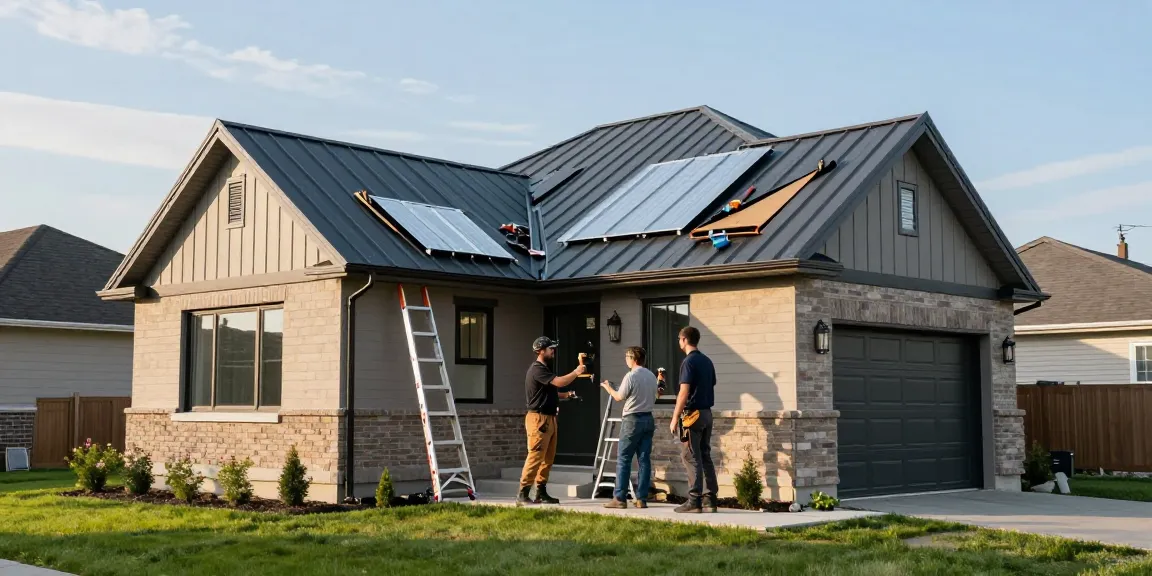
- Planning and Permits: Consult local building codes and obtain necessary permits.
- Roof Inspection: Inspect the current roof structure for any damage or necessary repairs.
- Preparation: Remove old roofing materials and prepare the surface for the new roof.
- Underlayment Installation: Install a water-resistant underlayment to protect against moisture.
- Metal Panels Installation: Secure metal panels to your roof structure, ensuring proper alignment and overlap.
- Finishing Touches: Add necessary trims, flashings, and seals to complete the installation.
Common Mistakes to Avoid During Installation
When installing a metal roof, avoiding common mistakes is crucial for a successful outcome:
- Improper alignment of panels, leading to leaks.
- Neglecting to install underlayment, which can increase moisture problems.
- Not accounting for thermal expansion and contraction, which can cause damage over time.
How Weather Affects the Installation Timeline
Weather significantly impacts roofing projects. Ideal conditions include dry, mild weather. Rain, snow, or extreme temperatures can delay installation and affect the quality of the work done.
Maintenance and Care for Metal Roofs
To ensure the longevity of your metal roof, regular maintenance is vital. Here are some essential care tips:
Regular Maintenance Tips for Longevity
- Conduct periodic inspections, ideally twice a year.
- Clean gutters and downspouts to prevent water damage.
- Remove debris from the roof surface to avoid corrosion.
Identifying and Resolving Common Issues
Keep an eye out for signs of wear or damage, such as rust spots or loose panels. Address these issues promptly to prevent more extensive damage.
When to Call a Professional for Repairs
If you encounter significant damage or complex issues, such as leaks or extensive rusting, it is wise to hire a professional roofing contractor to assess and repair the damage.
Future Trends in Metal Roofing
The metal roofing industry is evolving, and being aware of emerging trends can help homeowners make informed choices:
Innovative Technologies in Roofing for 2026
Advancements in technology are leading to the creation of more efficient and smarter roofing systems, including:
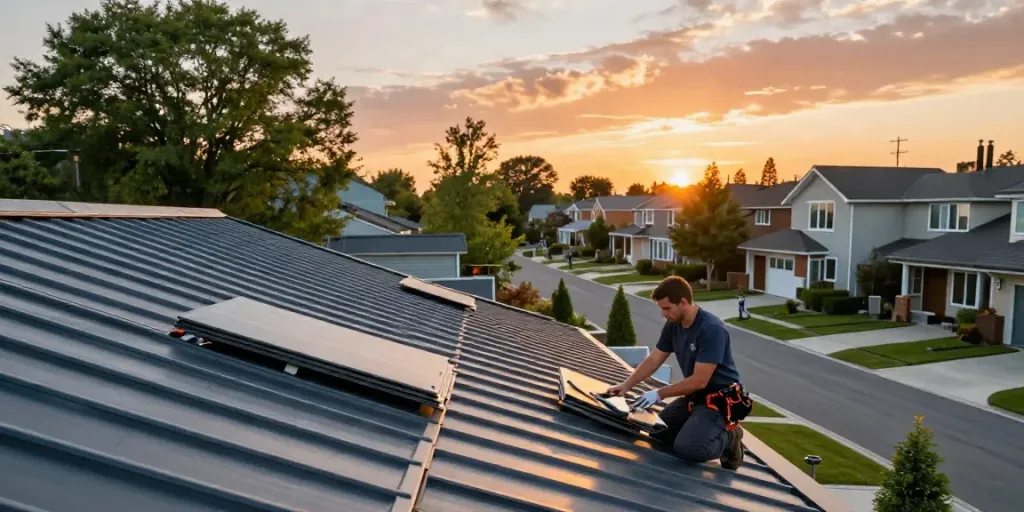
- Solar-integrated systems: Combining solar panels with metal roofs for improved energy efficiency.
- Smart roofing technologies: Systems equipped with sensors that monitor roof conditions.
Sustainability Practices in Roofing
Sustainability remains a key focus within the industry, with many manufacturers adopting eco-friendly materials and practices that minimize environmental impact.
Market Predictions for the Metal Roofing Industry
As demand for durable and efficient roofing materials continues to rise, the metal roofing market is expected to grow steadily in the coming years, particularly in regions prone to extreme weather.
What are the most common types of metal roofing?
The most common types include steel, aluminum, copper, and zinc, each offering distinct advantages suitable for different climates and homeowner preferences.
How long does a metal roof last?
Metal roofs typically last between 40 to 70 years, depending on the material and maintenance.
Are metal roofs energy efficient?
Yes, metal roofs reflect solar radiant heat, resulting in lower cooling costs and better energy efficiency, especially in warm climates.
What factors affect the cost of metal roofing?
Key factors include material type, roof size, complexity of installation, and local labor costs. Understanding these elements can help you budget effectively.
How can I assess my roof's condition?
Regular inspections for visible signs of wear, leaks, and corrosion can help assess the roof’s condition. Hiring a professional for a detailed inspection is also advisable, especially after severe weather.